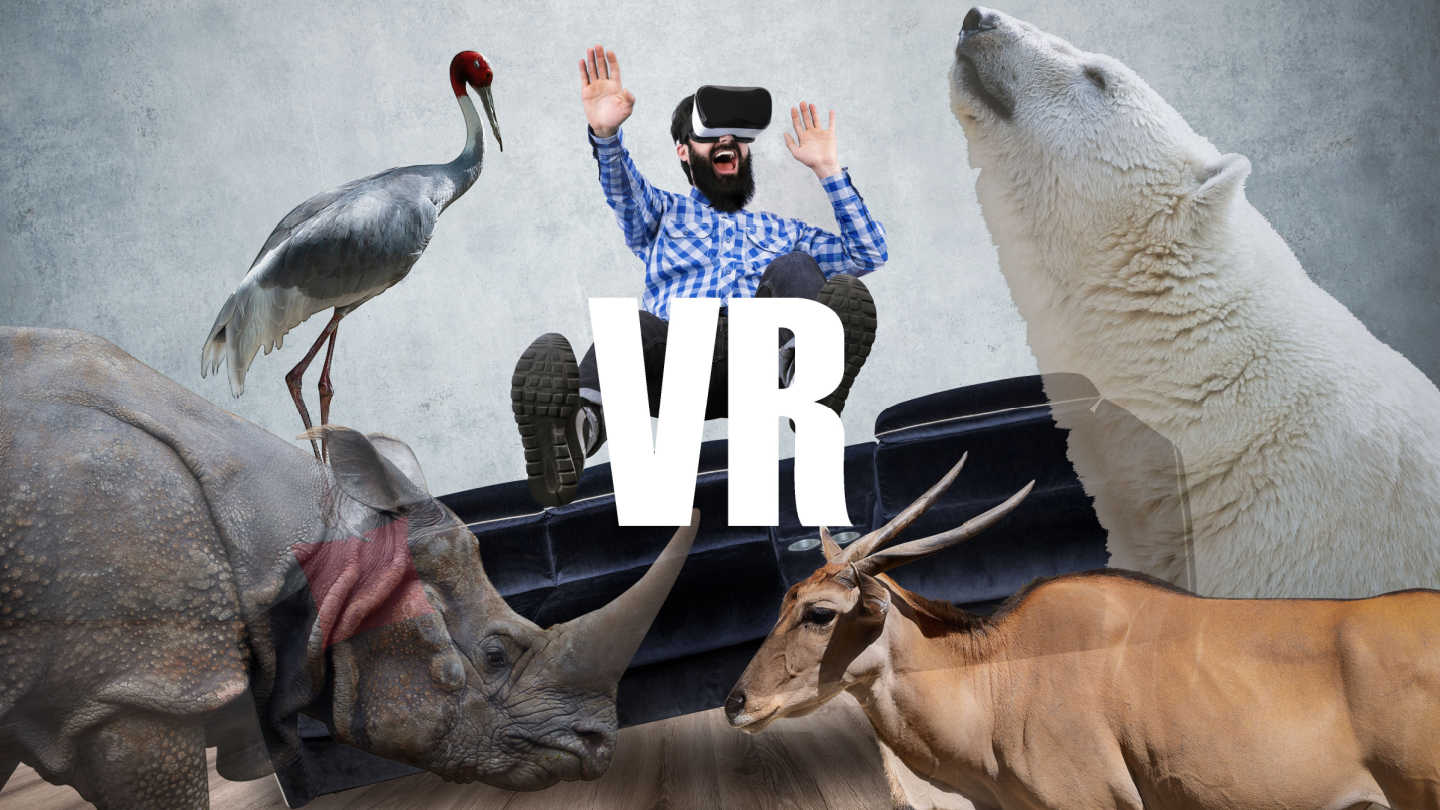
Expertise may change how the present zoo and aquarium fashions work. Credit score: Ales Munt through Shutterstock
The rise of the vegan motion, the recognition of documentaries like Blackfish, and the curiosity within the case of Comfortable the Elephant all counsel that concern for animal welfare and animals in captivity is growing.
In a 2022 ballot commissioned by YouGov, animal welfare was ranked as one of many prime three considerations for the UK public when contemplating a spread of social and environmental points. With this in thoughts, the arrival of digital actuality (VR) in zoos and aquariums might be excellent news, because it has the potential to handle moral considerations round animal exploitation.
Comfortable and Tilikum
In 2015, #FreeHappy started trending on-line. With a petition that has now reached virtually 1.5 million signatures on Change.org, the general public is demanding that The Bronx Zoo finish Comfortable the Elephant’s ten years in solitary confinement and launch her to a sanctuary. The premise of the argument is that elephants like Comfortable have scientifically acknowledged intelligence, a excessive degree of cognitive functioning, and a major emotional capability. Thus, holding her in confinement is merciless. Though the case for her freedom was overturned within the courts in 2022, it raises questions concerning the impact of captivity on animals.
Furthermore, the 2013 launch of the documentary Blackfish, which adopted the ordeal of Tilikum, a captive Orca, underneath SeaWorld’s possession, led to widespread public outrage and a dramatic lower in guests to SeaWorld parks. Within the yr following the documentary’s launch, SeaWorld introduced that customer numbers had dropped by a million. Because of this, it completely shut down its captive Orca breeding program and was compelled to pay $65 million in settlement claims to its traders, who argued that that they had been misled.
Moral issues round animals in captivity are usually not going away and, as within the instances of Comfortable and Tilikum, they might result in severe unfavorable publicity, costly settlements, and declining revenues.
Digital actuality experiences
A solution to moral points and associated monetary prices may lie in VR. London-based VR firm Immotion has created specialised VR pods that intention to immerse audiences in nature. For instance, Gorilla Trek takes place within the Rwandan jungle and permits customers to have interaction with endangered silverback gorillas, whereas Shark Dive permits customers to dive alongside elusive tiger sharks. These movement pods with VR headsets and life like audio have been dropped at zoos the world over, together with Chester Zoo (essentially the most visited within the UK) and SEA LIFE London Aquarium. Thousands and thousands of holiday makers annually can expertise this sort of VR know-how.
Expertise like this might change how the present zoo and aquarium mannequin works, permitting schooling and conservation to focus much less on captivity. As a substitute, by offering a extra immersive expertise, zoos and aquariums may place animal welfare on the forefront or a minimum of eradicate a few of their most regarding practices.
The path to fewer animals in captivity
Maybe, as a substitute of holding elephants like Comfortable in confinement, zoos may introduce VR experiences following migration journeys within the savannah; as a substitute of SeaWorld holding whales like Tilikum in captivity and forcing them to carry out, they might introduce VR rides during which the customer positive aspects a extra intimate underwater expertise themselves, swimming alongside the whales within the wild.
General, this know-how might help decrease the exploitation and mistreatment of animals in captivity. Nonetheless, it’s unlikely that zoos and aquariums will cease holding animals in captivity anytime quickly, resulting from human beings’ tendency to seek out novelty in seeing one thing within the flesh. Nonetheless, a hybrid mannequin the place vivid and academic VR experiences complement fewer animals in captivity might be the best way ahead.


